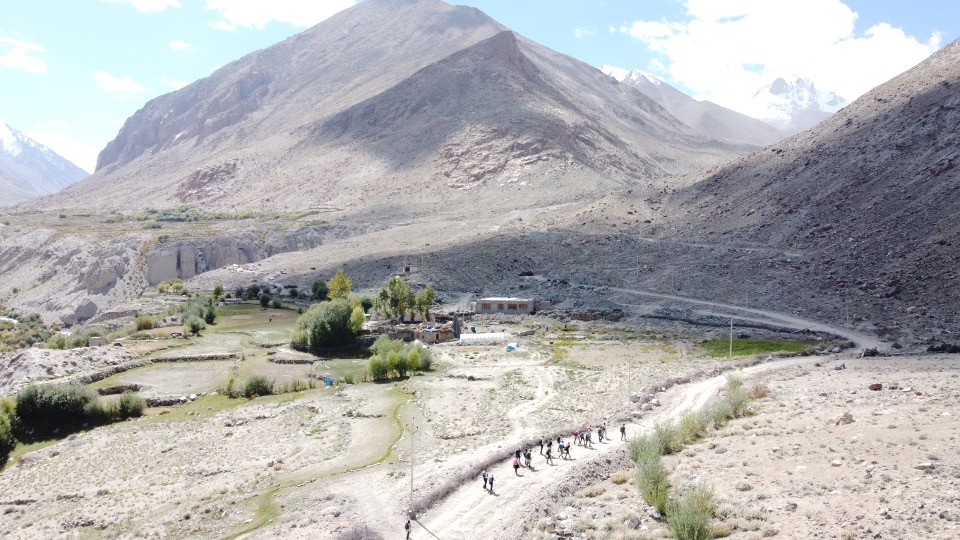
This September, I had the privilege of spending nine days in the Himalayas with nineteen ISZL students and three exceptional teachers as part of our Personal Development Week (PDW). What unfolded was not simply a trip but a journey of discovery into history, culture, resilience, and, above all, human connection.
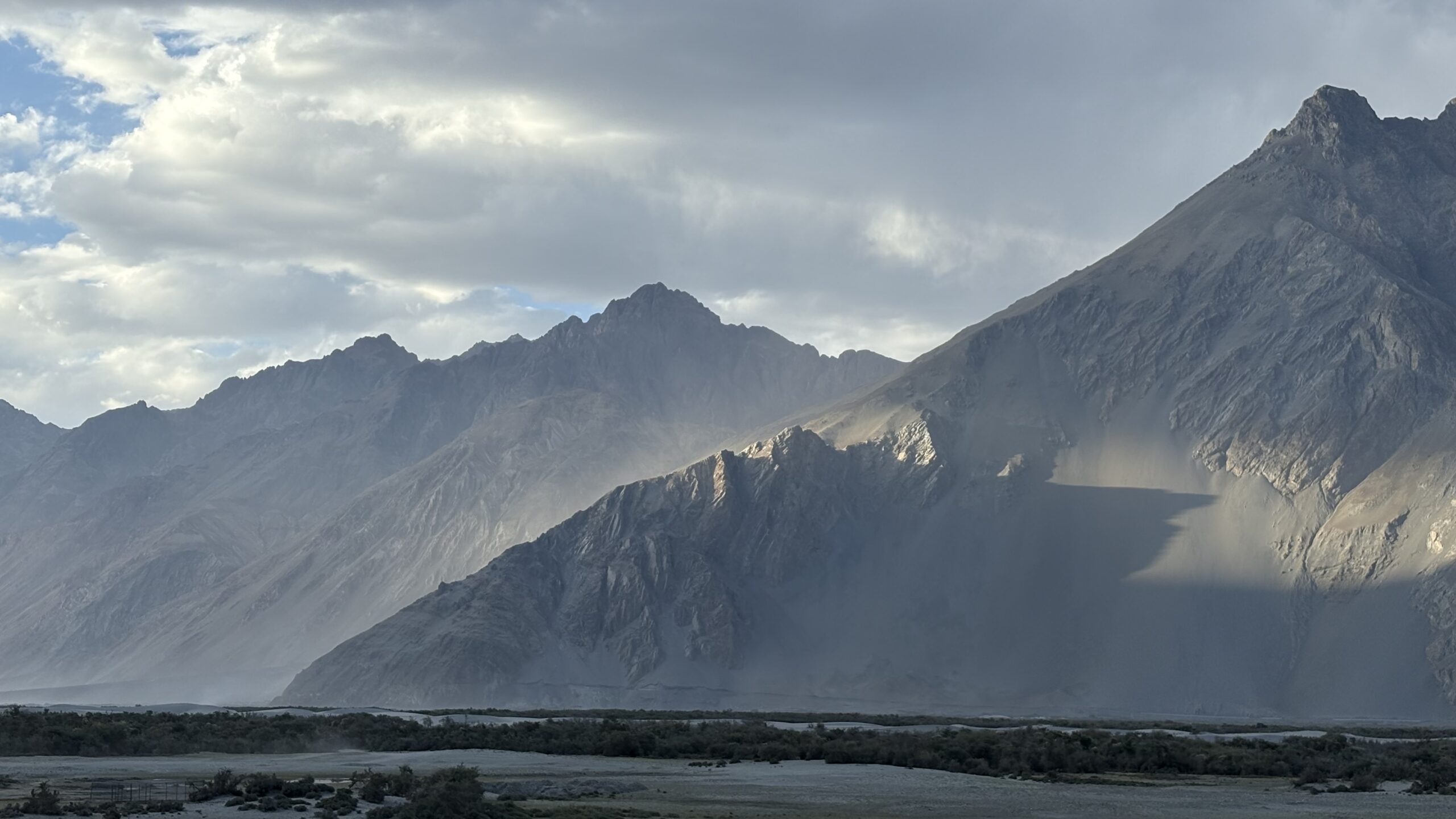
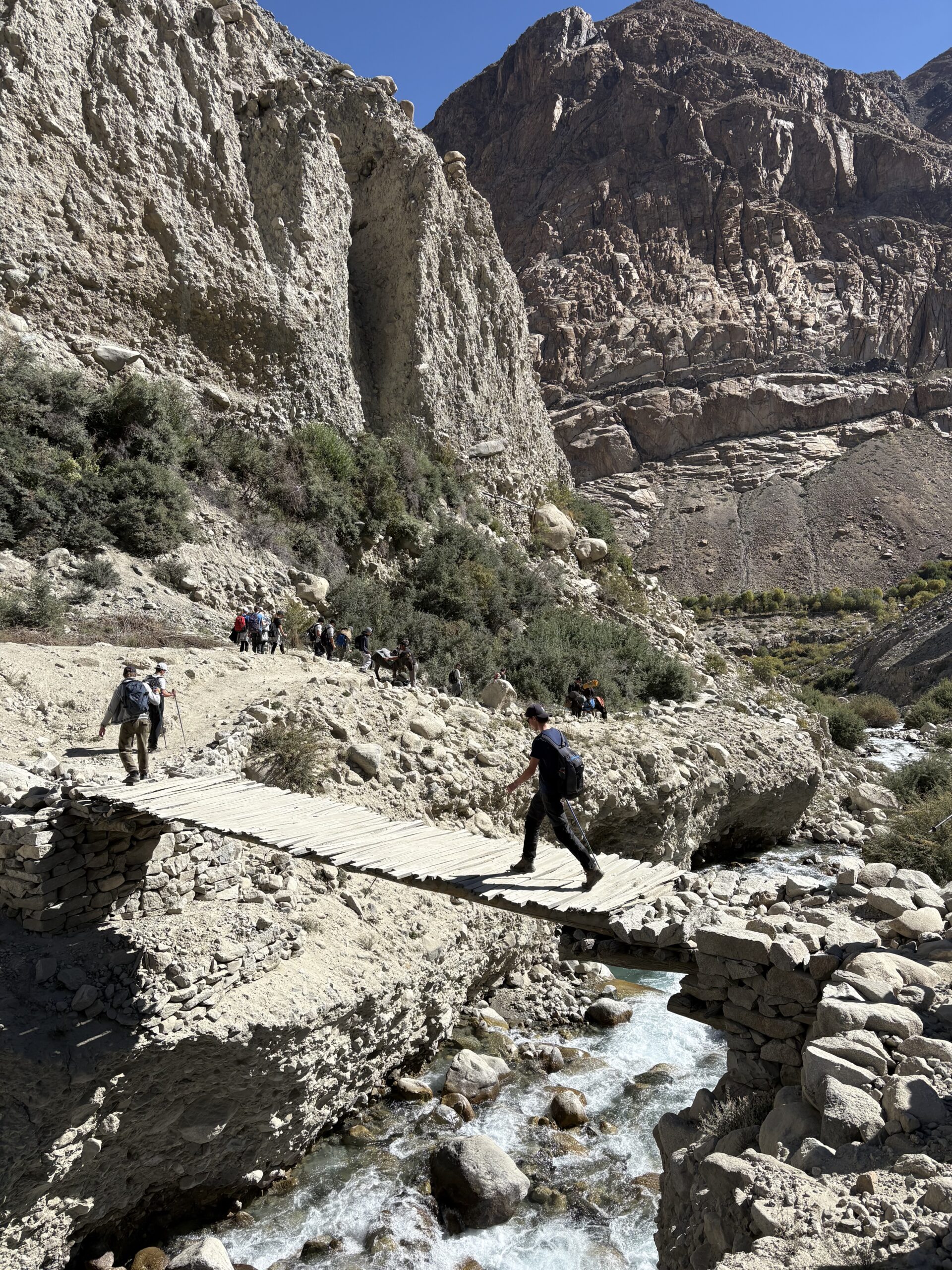
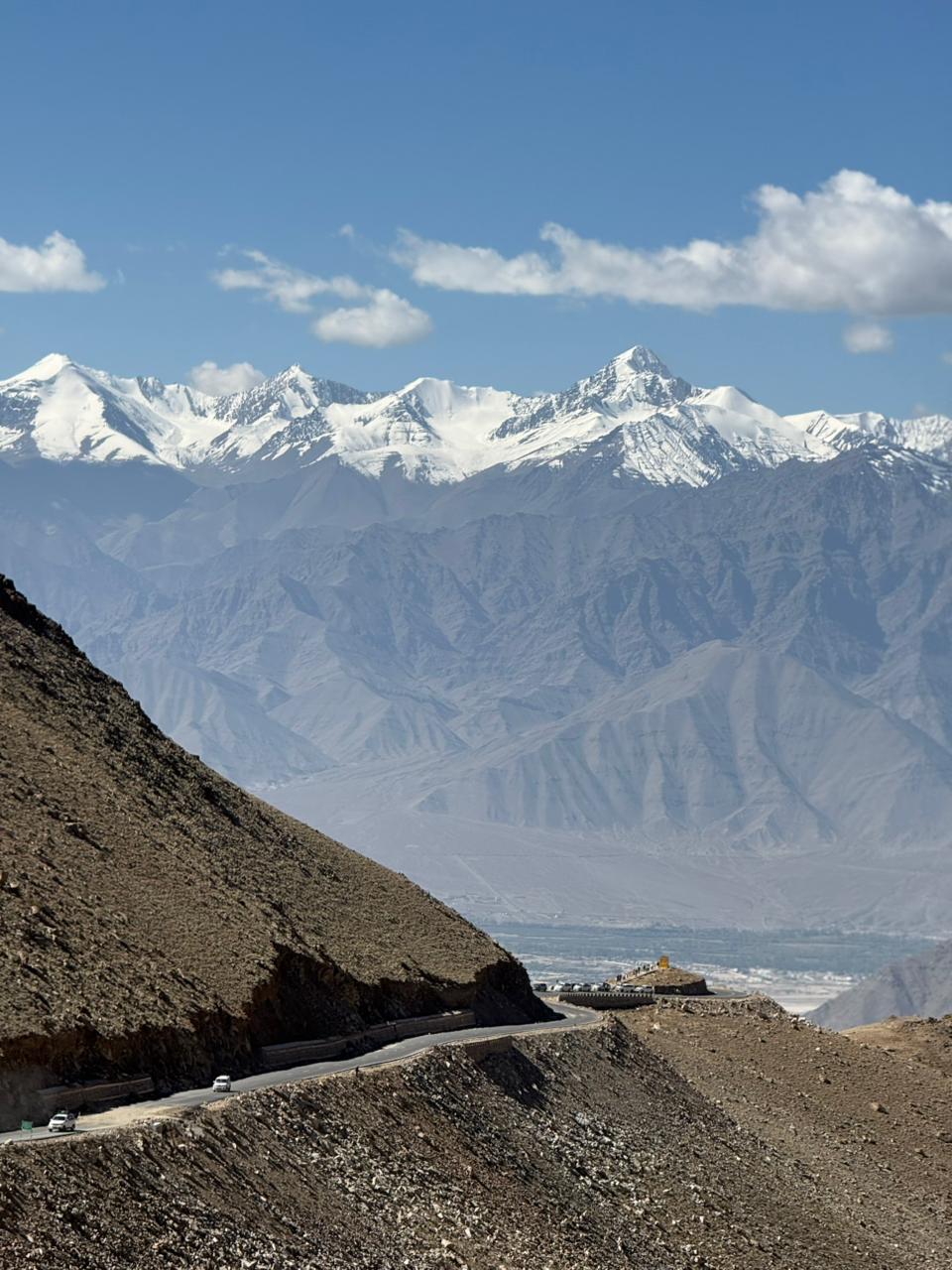
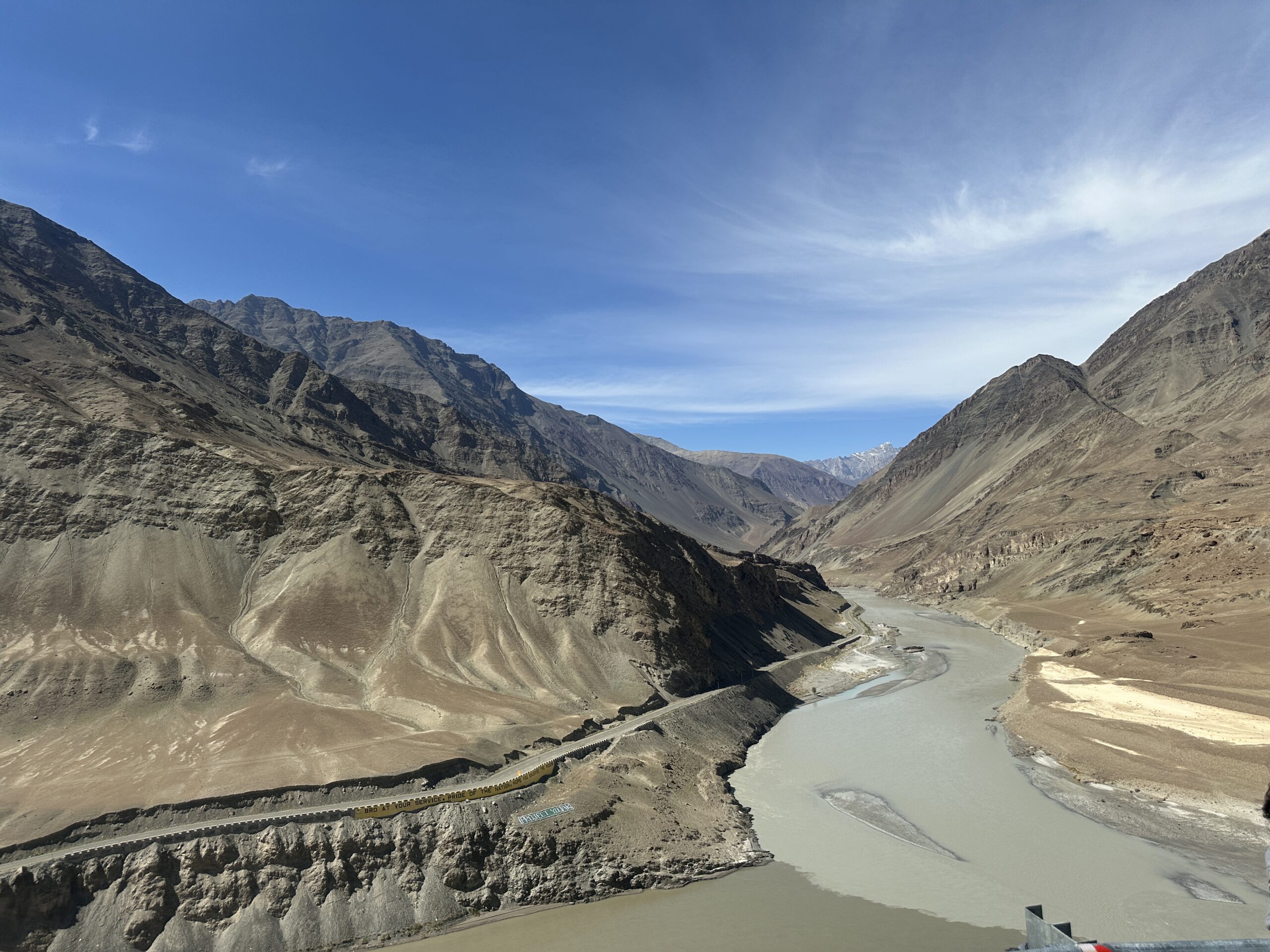
Being in the city of Ledakh feels like stepping directly into history. Once a vital artery of the Silk Road, its mountain passes carried salt, silk, and stories across cultures and continents. To walk those same trails with our students was to experience the confluence of Buddhist, Hindu, and Muslim traditions that still echo in monasteries, markets, and shrines. It was a living lesson in how history is not behind us, but under our feet, woven into the people and places that carry its story forward.
In the classroom, we can study these histories, but there is no substitute for being there: walking the streets, listening to stories, and sharing meals. What begins as awareness becomes empathy. Customs once abstract suddenly take on meaning when we are welcomed into homes where tea and snacks are offered before a word is spoken, or when silence under starlit skies at 4,000 metres reminds us of our shared human vulnerability.
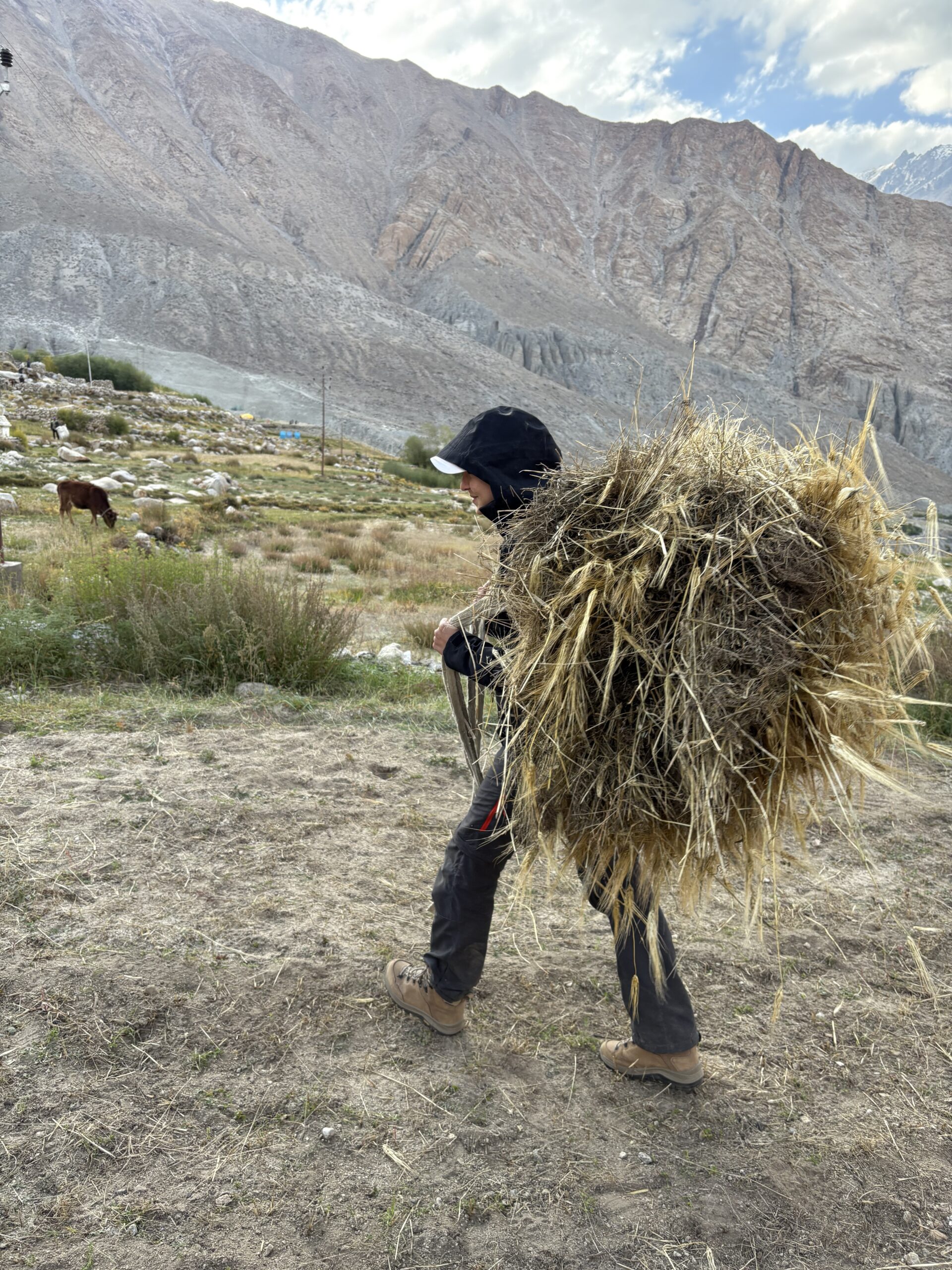
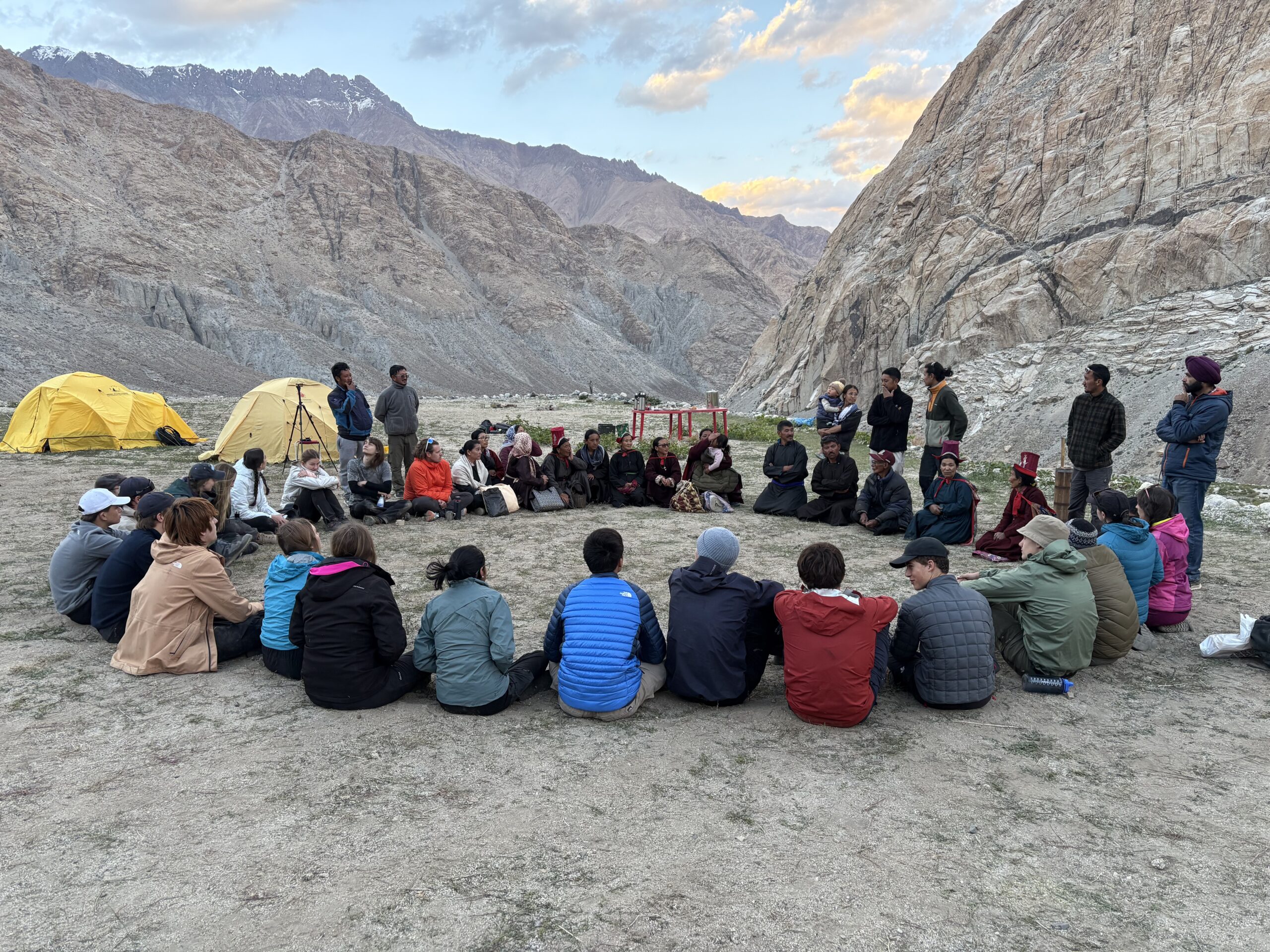
A touching and poignant moment during our time in the village came when a family was tragically mourning the loss of a son. Out of respect, no celebrations were held to commemorate our visit that week. Yet, with the rains approaching, the barley harvest could not be delayed. Unreservedly, our students joined the community in the fields, learning skills that are second nature to those who live there, but entirely new to us. Shoulder to shoulder, they harvested crops, embodying empathy not as an abstract concept but as a lived act of solidarity. It was a lesson in humility, service, and shared humanity that no classroom could replicate.
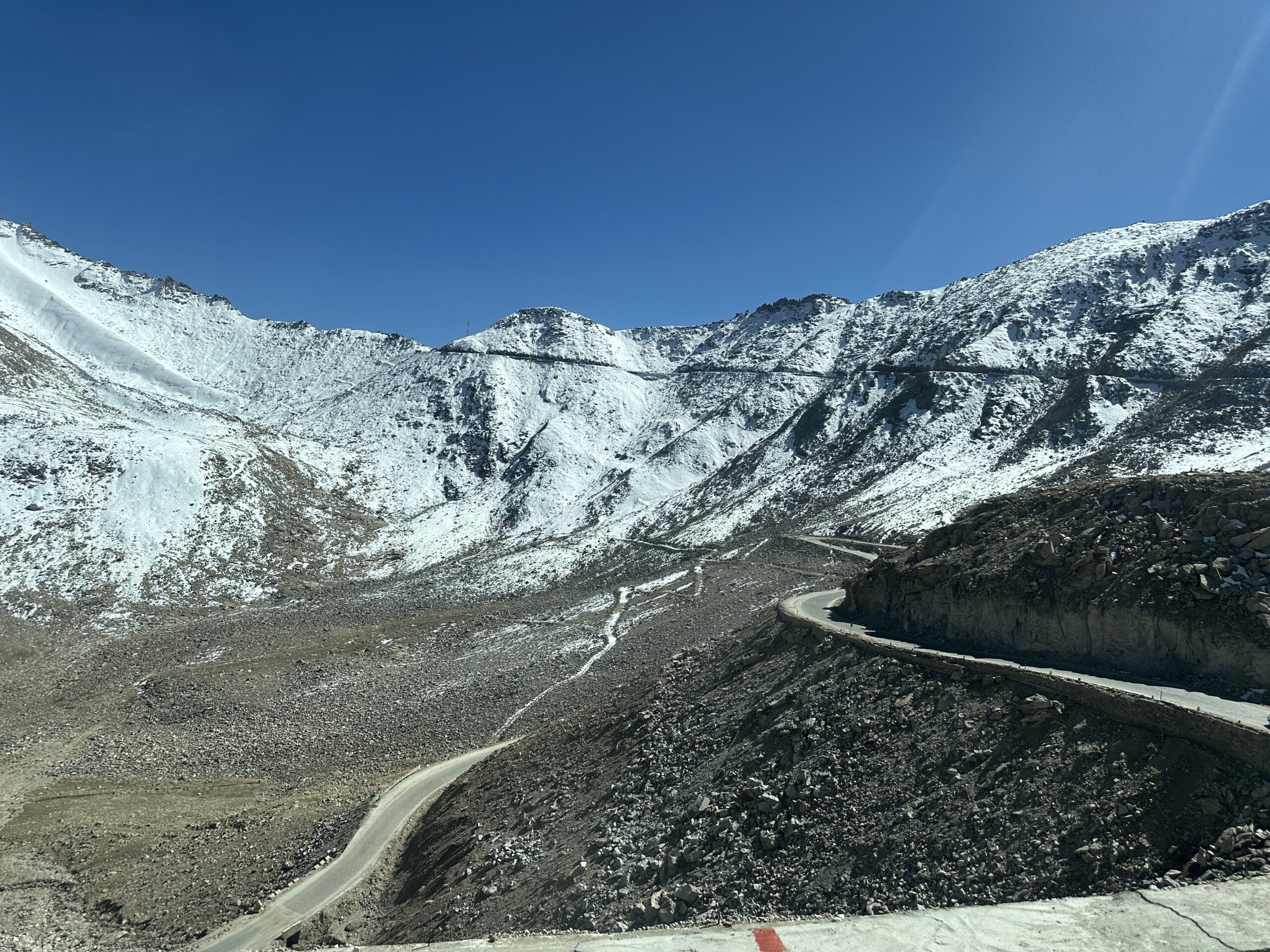
These contrasts, of the mountains so foreboding and unforgiving, the people so generous and kind, teach lessons that stay with us. Hospitality in the Himalayas is not an event; it is a way of being. Doors open, tea is poured, and visitors are embraced without expectation. In this generosity, our students saw that kindness is strength, and resilience grows from community.
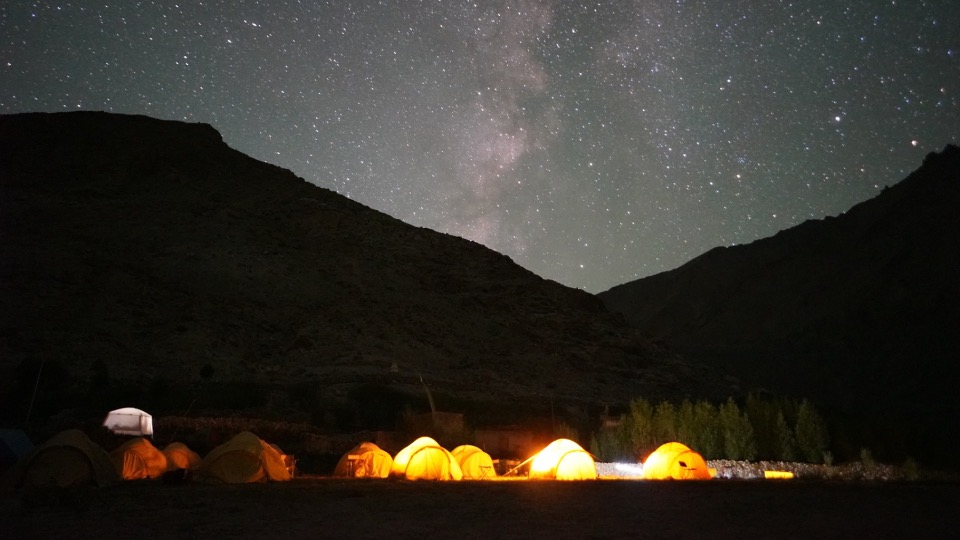
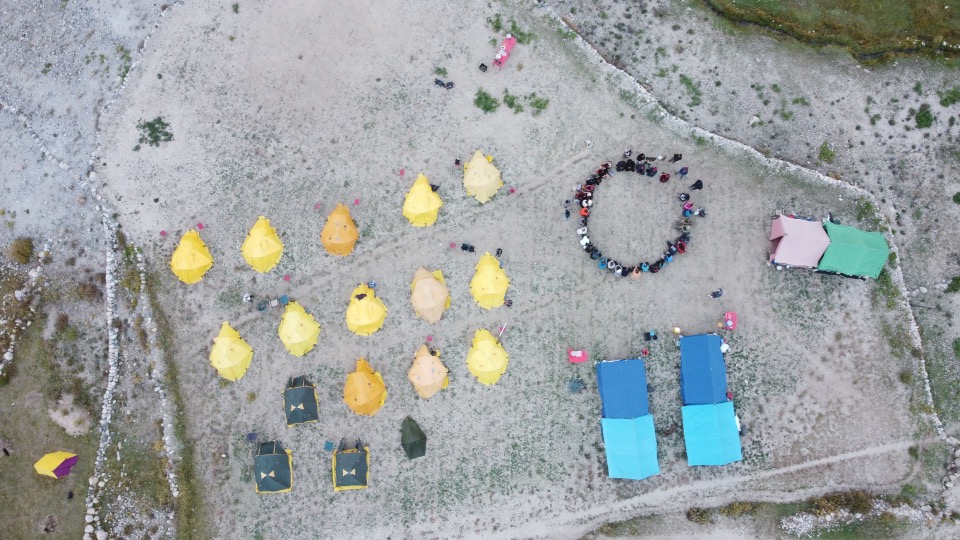
Camping at high altitude brought its own lessons: no light pollution and no distractions, but only silence, stars, and the bonds of shared challenge. It is in such moments that resilience, understanding, and compassion are built. As the German educator and reformer, Kurt Hahn wrote:
I regard it as the foremost task of education to insure the survival of these qualities: an enterprising curiosity, an undefeatable spirit, tenacity in pursuit, readiness for sensible self-denial, and above all, compassion.
This journey was a vivid reminder of the truth of his words.
Our PDW programme is not an add-on; rather, it is an integral part of learning at ISZL. These experiences stretch our students beyond the familiar, nurturing curiosity, empathy, and a sense of responsibility as global citizens. They return with deeper questions, greater resilience, and renewed gratitude for each other, for the world, and for the lessons only lived experience can teach.
In the end, perhaps the most important learning in the Himalayas was this: while the mountains inspire awe, it is the kindness of its people, and the willingness of our students to walk alongside them, that leaves the deepest mark.
3 responses to “Learning Beyond the Classroom: Reflections from the Himalayas”
The way you describe this journey brings the Himalayas to life with such depth and humanity. Your reflection shows how profoundly students grow when they are invited into real communities, real stories, and real connections. The moment in the barley fields especially stayed with me — a reminder that empathy is strongest when lived, not taught. Thank you for sharing such a meaningful insight into the heart of PDW.
A profoundly moving reflection, Barry. In nine short days, the Himalayas unfold as both classroom and conscience, where curiosity deepens into compassion, and learning takes on a human pulse. Your words honour not only place and people, but the quiet transformation that occurs when education is lived with humility, purpose, and heart.
This really resonated with me, Barry. It’s a good reminder of why CAS matters. 🙂