One of the things I appreciate most about education is that, despite our different contexts, we often find ourselves wrestling with similar questions, challenges, and opportunities.
Whether in schools, organisations, or communities, many of the conversations I encounter seem to return to a common challenge: how to remain thoughtful, grounded, and connected to one another while navigating increasing complexity.
The specific issues may differ, yet I often find myself returning to the same thought: beneath the strategies, initiatives, plans, and frameworks, there is something deeply human running through all of this work.
Perhaps that is partly why, over the past months, I have found myself drawn to a small side project called Moments of Joy. The idea is very simple. People share short reflections describing a moment that brought them a sense of joy, gratitude, or pause in their everyday lives. What has stayed with me, across the many reflections people have shared, is how ordinary most of these moments are: a conversation with a parent, watching children play, a walk with a friend, cooking for family, or simply sitting quietly after a long day.
Not grand or extraordinary moments, but the quiet, everyday experiences people chose to notice and hold onto.
I think part of why this has resonated with me is that our lives can easily become consumed by urgency. There is always another challenge to address, another decision to make, another initiative moving forward. Leadership today often asks us to navigate competing tensions simultaneously: balancing innovation with stability, ambition with wellbeing, and individual needs with collective responsibility.
Recently, I came across a line from the scholar Jane Ellen Harrison that I have found myself returning to often:
“I am long past blame and praise, or, rather, I am not yet ready for them; there is so much still waiting to be understood.”
There is something quietly reassuring in that perspective. Not because it dismisses accountability or conviction, but because it leaves room for humility, for listening, and for the possibility that even after years of experience, there is still more to learn about people, about community, and about ourselves.
One lesson I continue to learn is that the most impactful leaders and educators are rarely the ones who claim to have all the answers. More often, they are the ones willing to remain curious a little longer, ask thoughtful questions, stay steady through uncertainty, and keep people at the centre of their decisions.
That feels especially important at the moment.
Across schools and communities around the world, people continue to do deeply meaningful work under increasingly complex conditions. And while much of our attention understandably goes toward systems, strategy, and change, I sometimes wonder whether the quieter human dimensions of our work deserve equal, or even greater, attention: the relationships, trust, kindness, humour, and sense of belonging that not only sustain communities over time, but help people feel seen, valued, and connected to something larger than themselves.
Perhaps that is partly why those simple moments of joy matter. They remind us to notice what is already good and meaningful around us, even during demanding seasons.
There is, after all, so much still waiting to be understood.
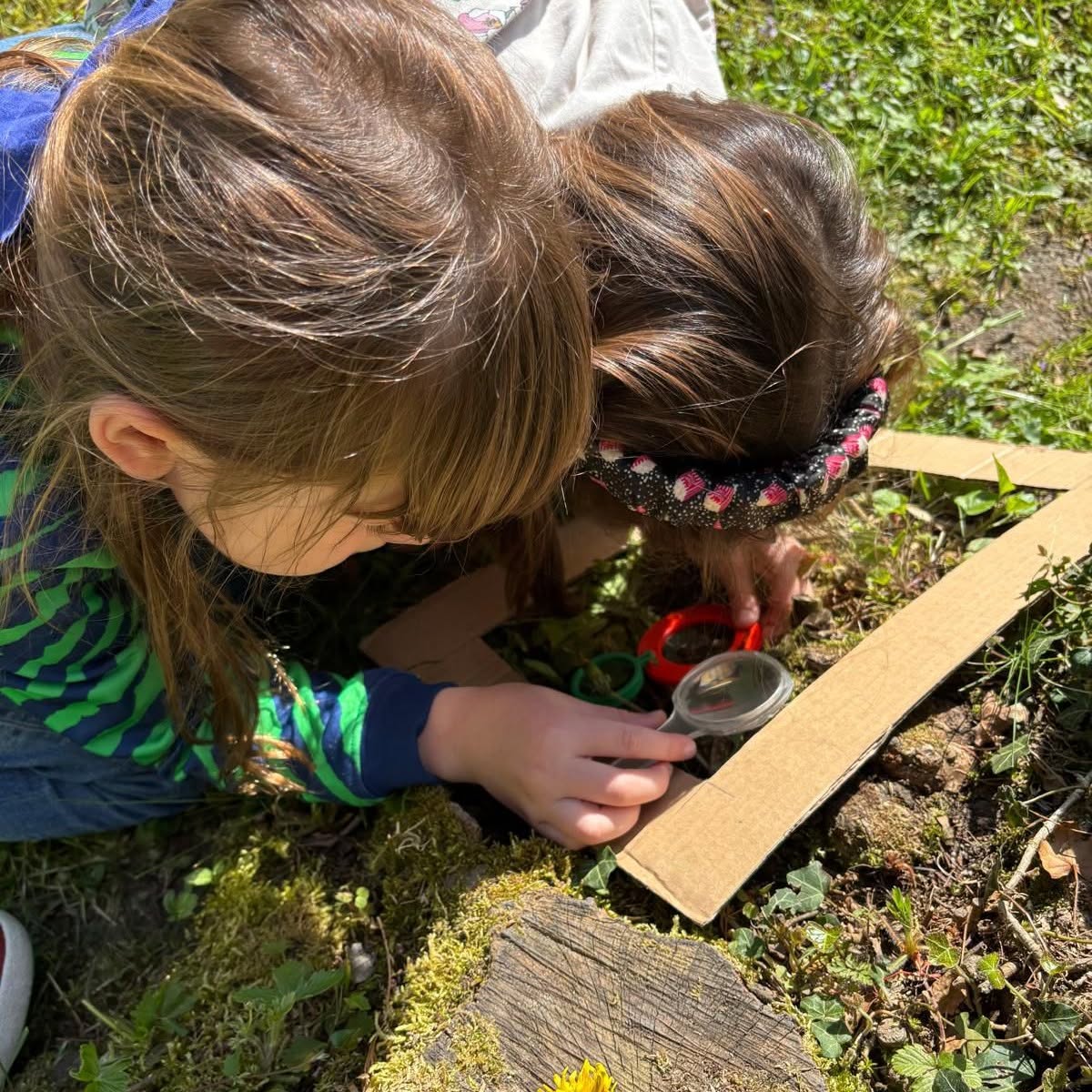
Photo Credit: ISZL Marketing and Communications Team
One response to “The Quiet Work of Understanding”
Thanks for this reminder. I needed it this morning!